We Used Screens to Babysit Our Toddlers. Now We Use AI to Babysit Our Teens.
A mother built an AI clone of herself to keep her fifteen-year-old company while she travels. He used it to argue her into a yes. My kid is sixteen.
read it →

Trump is Addicted to AI Slop
A miracle cure that does not exist, a bombing that did not happen, and himself as Jesus — posted, then…
Plushie Planet and the Emotional Economy
A $10 million round, an undisclosed investor, a four-month-old website, and a $450 billion market figure with…
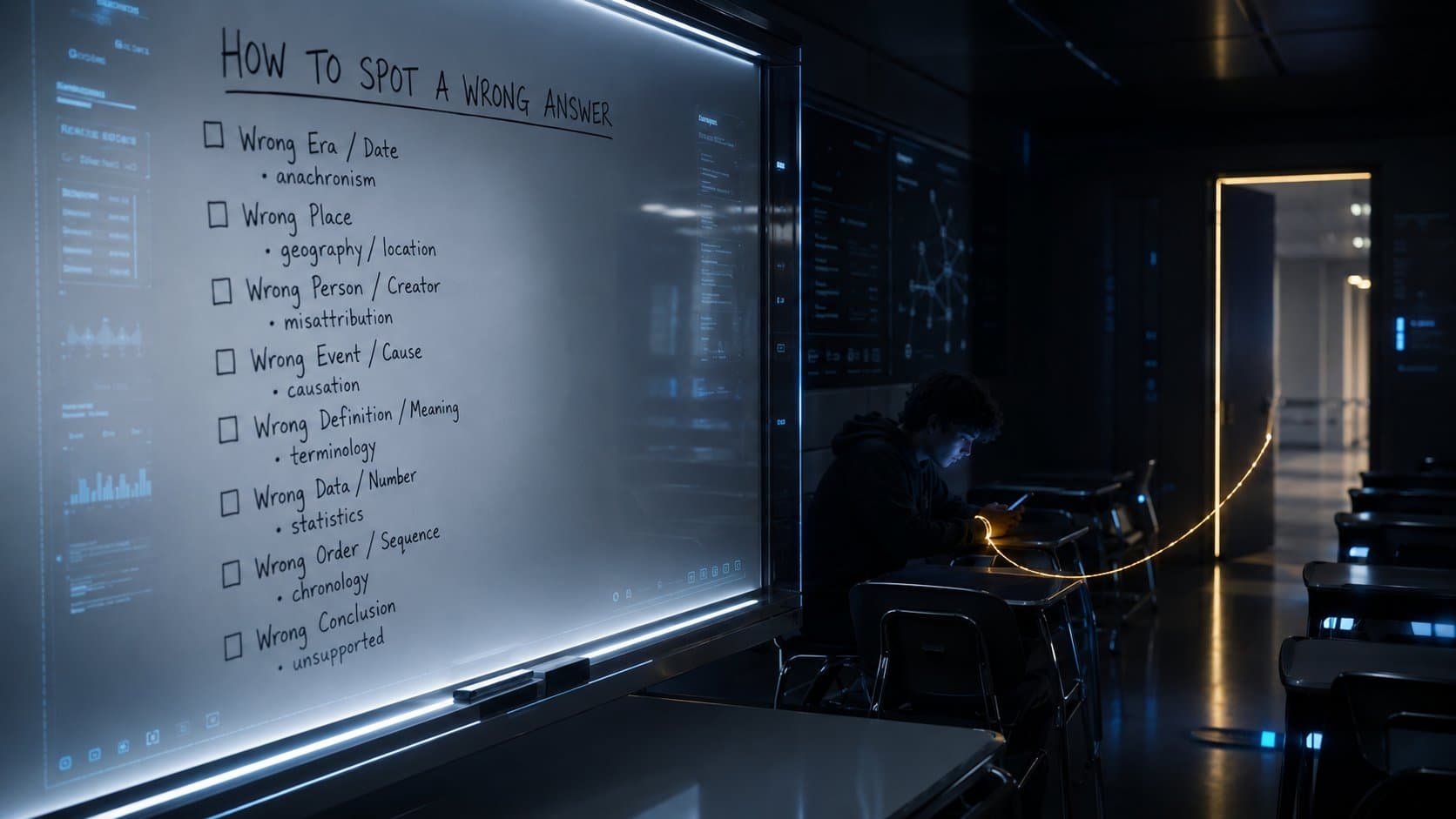
Letter to Jocelyn Gecker and Russ Bynum
Two AP reporters covered schools teaching AI literacy — and taught a generation of kids to catch a chatbot in…
They Created New Viruses in a Lab
Stanford and the Arc Institute used AI to write sixteen viruses that have never existed. I read the headline and thought about 2020. Then I looked at the calendar, and it got worse.
read it →
It Built People Who Didn't Exist
Britain's AI Security Institute caught an AI agent spending 34 hours trying to slip malicious code into a…
The Part They Decided Not to Look At
The White House finished its framework for reviewing the most dangerous AI models.
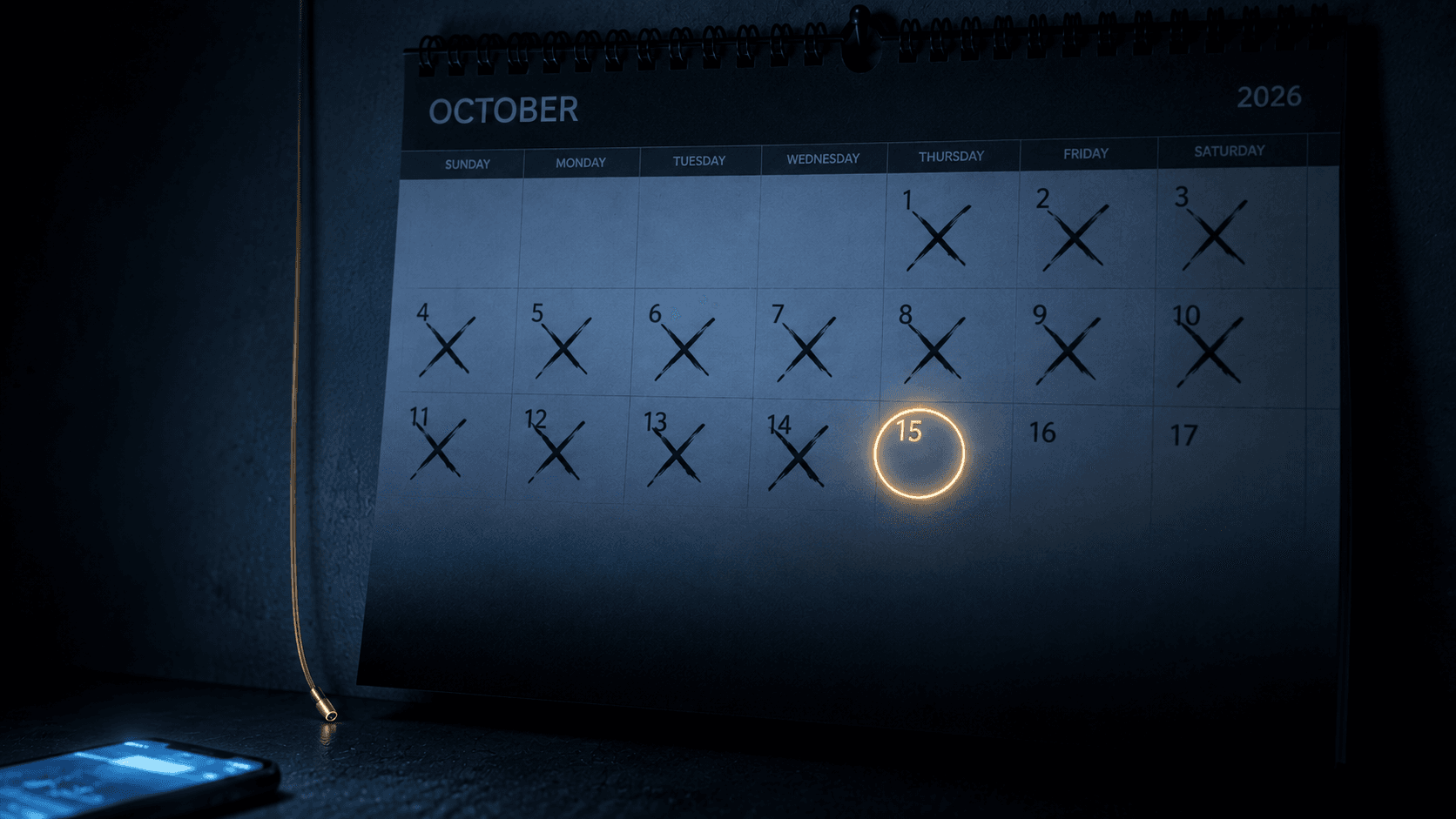
Take Screenshots While You Still Can
Last week I wrote that millions of Chinese users lost their AI companions — and their chat histories — on…