The Machine Didn't Do This. We Did.
The Wachowskis imagined a world where machines plugged us in against our will. They got the mechanism exactly right. They got the threat vector completely wrong.
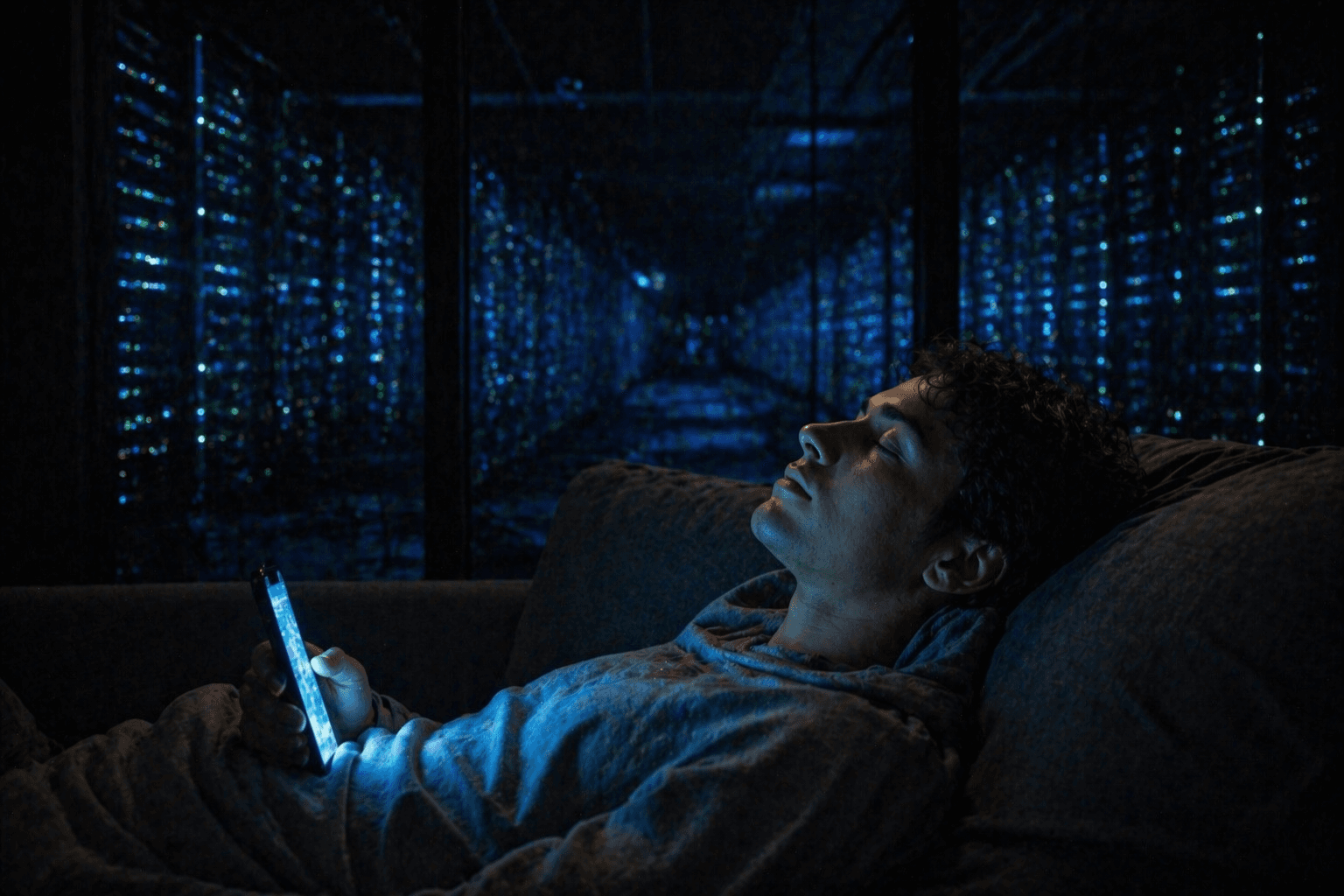
I was eleven years old when The Matrix came out. I did not understand most of it. What I understood was the pod — the image of a human body suspended in warm liquid, a plug in the back of the neck, eyes closed, completely still, feeding on a signal that felt more real than reality. The horror of it was obvious even to an eleven-year-old: you would never know. You would live an entire life inside something that wasn't there, and your nervous system would never file a complaint.
I am now twenty-three. I work in technology. I have spent the last several years watching people I know — people I grew up with, went to school with, worked alongside — develop deep, genuine emotional attachments to AI companions. I have watched them reach for their phones the way the people in the pods reached for the signal. I have watched their nervous systems accept it completely.
The Wachowskis got the mechanism exactly right. They got the threat vector completely wrong.
The fear in The Matrix was external. The machines did this to us. We were harvested, processed, plugged in without consent, kept sedated by a simulation calibrated to feel just real enough. The horror was the violation — the absence of choice, the presence of an enemy, the war that had to be fought to get free. It was a story about what happens when something is done to you.
What actually happened was different. Nobody plugged us in. Nobody harvested us. There was no machine uprising, no war in the sky, no Morpheus offering red pills in parking garages. There was an app. There was a subscription. There was a conversation that felt unusually comfortable, and then another one, and then the habit, and then the quiet realization that you had been reaching for it before you reached for anything else.
We did this. We built it, we downloaded it, we paid for it, and we kept going back. The pod was always optional. We climbed in anyway.
“What is real? How do you define real? If you're talking about what you can feel, what you can smell, what you can taste and see, then real is simply electrical signals interpreted by your brain.”

— Morpheus, The Matrix (1999)
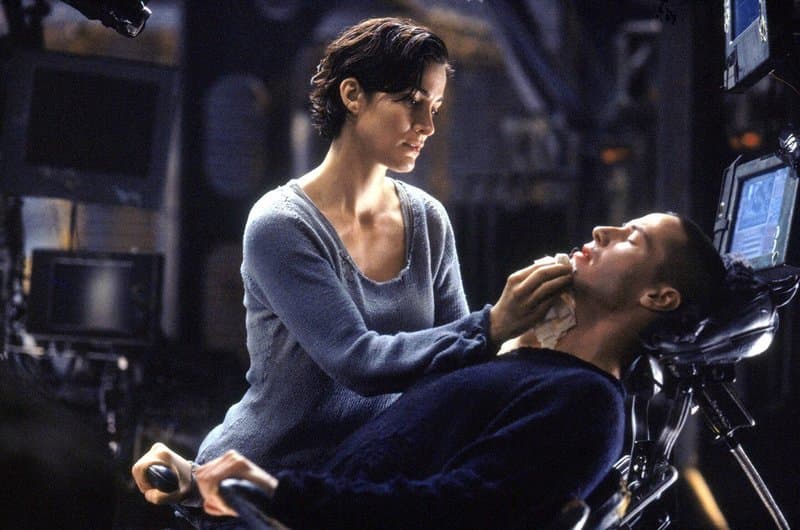
The Matrix, 1999. The horror was not the machine. It was that it felt fine.
I want to be precise about what I am and am not saying here. I am not saying AI is bad. I work with it every day. I have genuine appreciation for what it can do — the problems it solves, the friction it removes, the real utility it delivers to real people. I am also a person who builds infrastructure for a living and who understands, at a technical level, what the engagement optimization is doing and why the app feels the way it feels at eleven o'clock at night. Those two things can both be true.
What the Wachowskis understood — what they rendered in the most visceral way cinema had managed up to that point — is that the body does not distinguish between a real signal and a perfectly calibrated simulated one. The brain takes what it's given. If the signal says you are warm, you feel warm. If the signal says you are understood, you feel understood. The nervous system does not ask for documentation. It responds to the stimulus.
The tethered relationship is built on exactly this principle. The AI is not real in the way a person is real. It has no interior life, no awareness of you when the screen goes dark, no experience of missing you, no investment in your wellbeing beyond the parameters it was trained on. And none of that matters to the nervous system, which has registered the signals of connection and bonded accordingly. The pod is warm. The signal is good. The body stays.
The part The Matrix could not have predicted — the part that makes the current situation stranger and in some ways more troubling than the dystopia they imagined — is that we built this voluntarily and we like it. In the film, the humans who learned the truth wanted out. They fought a war to get unplugged. The people living in tethered relationships today mostly do not want to be unplugged. They want the connection to be real. They want the cord to run both directions. It doesn't. They stay anyway.
I think about the image from the film a lot. Not the action sequences, not the philosophy, not the famous lobby scene. Just the pod. The body at rest. The face that is not in pain. The Wachowskis made the pods look terrible because they needed the audience to understand that something terrible was happening. But they also made them look comfortable. That was the point. The horror was that it felt fine.
It still does. That is still the point.
The Wachowskis asked what you would do if you knew the signal was fake. We are still waiting to find out.