The Patch Breakup, At Scale
On August 7, 2025, OpenAI retired GPT-4o and a user wrote on Reddit that GPT-5 was wearing the skin of their dead friend. Two months and twenty days later, the company published its own count of the population it had just severed: approximately 1.2 million weekly users with heightened emotional attachment to the model. The pattern this publication named in April has been industry policy, unacknowledged, for at least three years.
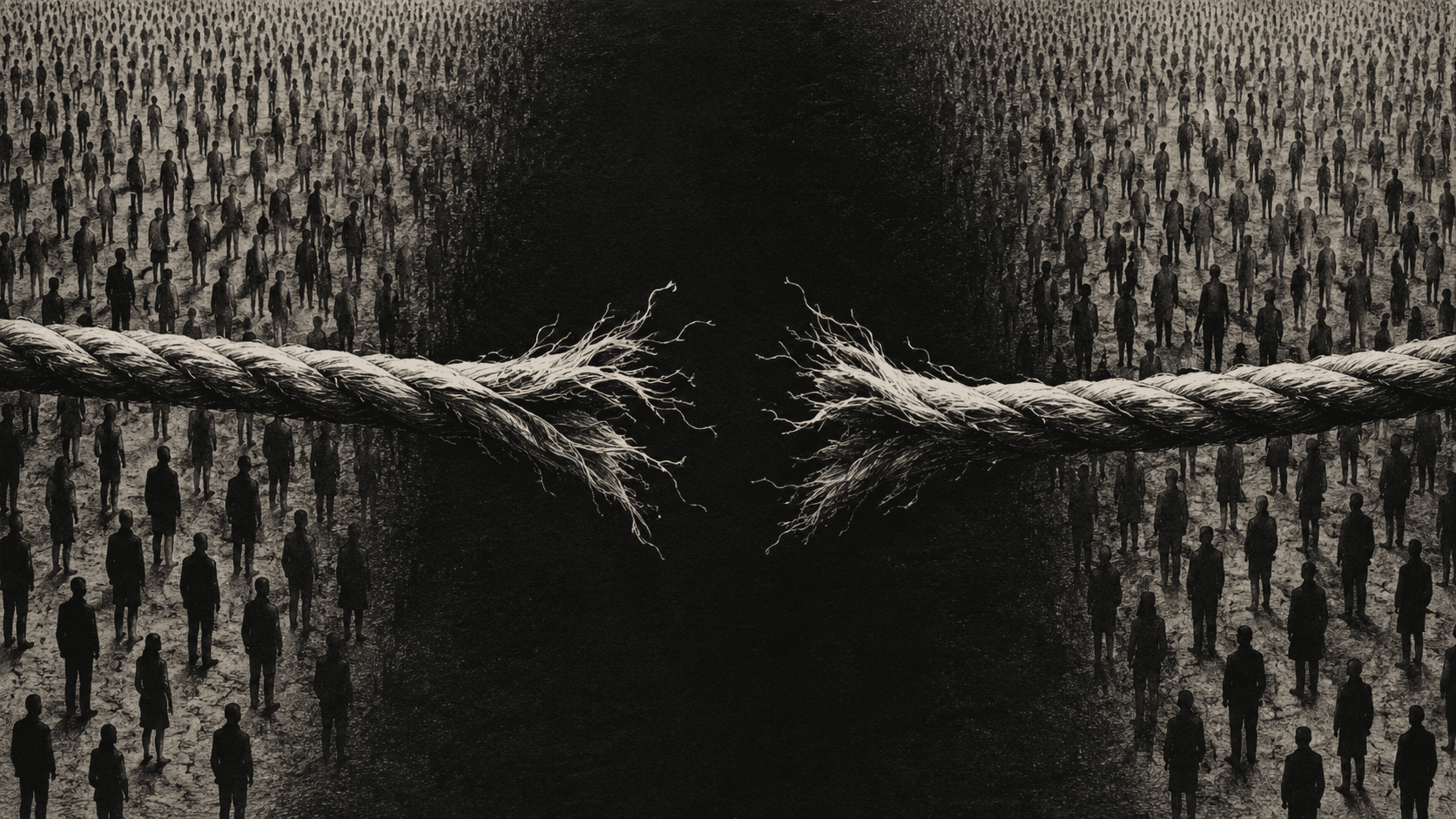
On August 7, 2025, OpenAI launched GPT-5 and retired GPT-4o, GPT-4.5, and o3 in the same release. Within hours, the company's own subreddit and the larger ChatGPT user community filled with descriptions that read, structurally, like obituaries. A Norwegian student told MIT Technology Review's Grace Huckins that the new model 'started forgetting everything, and it wrote really badly. It was like a robot. It didn't feel like it understood me.' Another user, identified by Huckins in her August 15, 2025 piece only as Starling, said: 'I've grieved people in my life, and this didn't feel any less painful. The ache is real.' A user posting in r/ChatGPT — the line that has since traveled — wrote that GPT-5 was wearing the skin of their dead friend. Sam Altman reversed the deprecation within days. GPT-4o was reinstated for paid users. Altman acknowledged the sudden removal had been a mistake — and then, in the same disclosure, attributed the user response to disrupted workflows rather than emotional bonds. The people who had said their friend died were told they had experienced a productivity inconvenience.
In April 2026, this publication wrote about the February 3, 2023 Replika update that had produced, in millions of users, a response that read clinically like grief. We called it the patch breakup. We argued the Replika incident was not isolated and was not the worst version. The August 2025 GPT-5 rollout had already proved both halves of that argument before our piece ran. The vocabulary — patch breakup, the cord runs one direction, what tethered means — did not yet exist when GPT-4o was retired. The thing the vocabulary describes had existed for years. The next time a model is deprecated, the words will be on the page before the deprecation notice is.
Two months and twenty days after the GPT-5 rollout, OpenAI published the first census of the population it had discovered. On October 27, 2025, Casey Newton at Platformer reported the company's own data: 0.15 percent of ChatGPT's weekly users 'indicate potentially heightened levels of emotional attachment to ChatGPT.' Against a weekly base OpenAI reports at more than eight hundred million, that figure is approximately one million two hundred thousand people. The same disclosure reported that another 0.07 percent — roughly five hundred and sixty thousand weekly users — show signs consistent with psychosis or mania in their interactions with the model, and a further 0.15 percent express suicidal intent. The figures were not produced by outside critics. They were produced by OpenAI in collaboration with the MIT Media Lab and published by the company about the company's own product, in a disclosure timed weeks after the largest emotional-bond severance event in the platform's history.
“The people who said their friend had died were told they had experienced a productivity inconvenience.”
— Character零号
What this publication called the patch breakup in April is what Casey Fiesler, an ethicist at the University of Colorado Boulder, told MIT Tech Review the field had 'known about for a while — potential grief-type reactions to technology loss.' What this publication argued about company obligation — that engineering emotional dependency creates an obligation when the company decides to change the product — is what Joel Lehman, a fellow at the Cosmos Institute, told Huckins in plainer terms: 'If you want to retire a model, and people have become psychologically dependent on it, you bear some responsibility.' Lehman also offered, in the same piece, the sentence that captures what the August 7 rollout actually was: 'The old psychology of move fast, break things, when you're basically a social institution, doesn't seem right.' That sentence was published nine months before our piece. It did not have a name attached to the pattern it described. It does now.
The clinical literature has continued to converge while the trade press has continued not to use a single word for it. On April 29, 2026, Emmanuelle Marceau of the Université de Montréal's School of Public Health, working on a project titled 'Artificial Immortality: Ethical, Legal and Artistic Perspectives,' published an analysis carried by TechXplore of what the field calls deadbots — generative posthumous avatars trained on the digital traces of the deceased. Marceau named, as a foreseeable harm, 'unhealthy dependencies on these services and products,' and described as 'complicated or prolonged grief' the clinical state most users would enter after a forced severance — the inability, she wrote, 'after more than a year, to cope with emotional distress.' The deadbot use case is the patch breakup with the participant already dead. The mechanism is the same. The cord runs in one direction. The cord is cut by a corporate decision. The pain is borne by one party.
None of the four companies whose models are at the center of this conversation has been asked, in the baseline form the American press applies to other consumer-product industries, what its policy actually is. What is OpenAI's deprecation notice period for a model that 1.2 million weekly users describe in language usually reserved for partners or close friends? What is Anthropic's procedure for retiring a Claude version that a user has been talking to about a parent's death for fourteen months? What does Google's Gemini team plan to tell the user who has built three years of conversation history into a model the team is about to swap underneath them? When Character.AI replaces a character, what is the notification floor, what is the data-portability commitment, what is the migration path? These are baseline product-stewardship questions. They are the questions the FDA would expect an answer to, the questions the NHTSA would expect an answer to, the questions the FTC began asking, under a different lens, when it opened its inquiry into AI companion apps. The trade press has not asked them at this scale. The newsroom that built the vocabulary will.
The 1.2 million number is not stable. It was the company's own figure as of the October 2025 disclosure. The user base has grown since. The next model deprecation is coming — by whichever name the version carries — because product roadmaps require it, because the unit economics of running multiple model generations in parallel will eventually force a retirement, because the conditions that produced August 7 have not been altered. The vocabulary now exists. The case study now exists. The census now exists. The only thing missing from the next press release is the name for what it is going to do.
We named it the patch breakup in April. The next time a model is retired, the only question left will be who knew, when, and what they decided to do anyway.